
How fast can you deploy after a storm hits Clearwater?
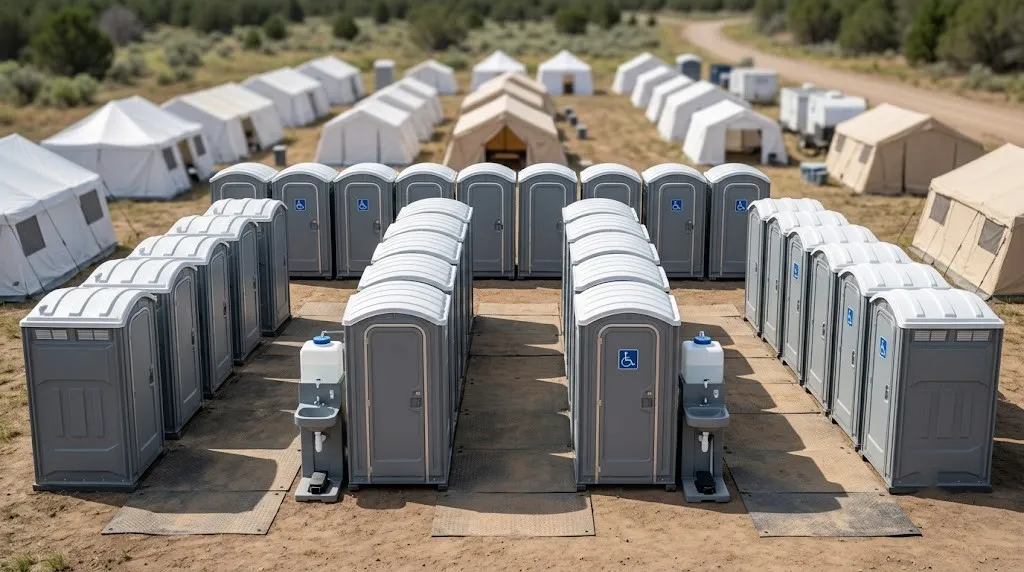
Speed matters most in the first 48 hours, when city water and sewer service is often compromised and shelters fill up. Clearwater Porta Pros keeps standard porta potty rental units staged and ready, because disaster response does not wait for a normal delivery window. A roll-off delivery truck needs about 60 feet of straight clearance behind it, so we scout shelter parking lots and staging areas before the truck ever leaves the yard. That clearance requirement is the same whether we are dropping a dumpster at a debris site or a restroom trailer behind a Red Cross shelter.
Distance drives response time too. Crews covering Greenbriar, 3.4 miles northeast of Clearwater, or Safety Harbor at 6.5 miles, can usually get units on the ground faster than a company based outside the county. Dunedin sits 7.4 miles northwest and Oldsmar 9.7 miles northeast, both within a workable radius for same-day drops once roads clear. For a fuller breakdown of what a rushed timeline costs, see emergency porta potty rental and the general porta potty rental cost page. We also coordinate temporary power pole and light tower rental drops when a staging site has no power at all.
What do shelters and relief sites actually need?
A shelter housing evacuees is not a construction site, but the sanitation math still starts somewhere. OSHA 1926.51(c) sets construction ratios at one toilet for 20 workers or fewer, scaling up as crews grow, and it is a reasonable starting point for sizing a relief site even though shelters are not job sites. Water matters as much as toilets: OSHA 1926.51(a)(1) requires an adequate supply of potable water in all places of employment, which is why we pair handwashing station rental units with every restroom cluster, and 29 CFR 1910.141(d)(2) specifically requires soap and towels or a hand-drying device, not sanitizer alone.
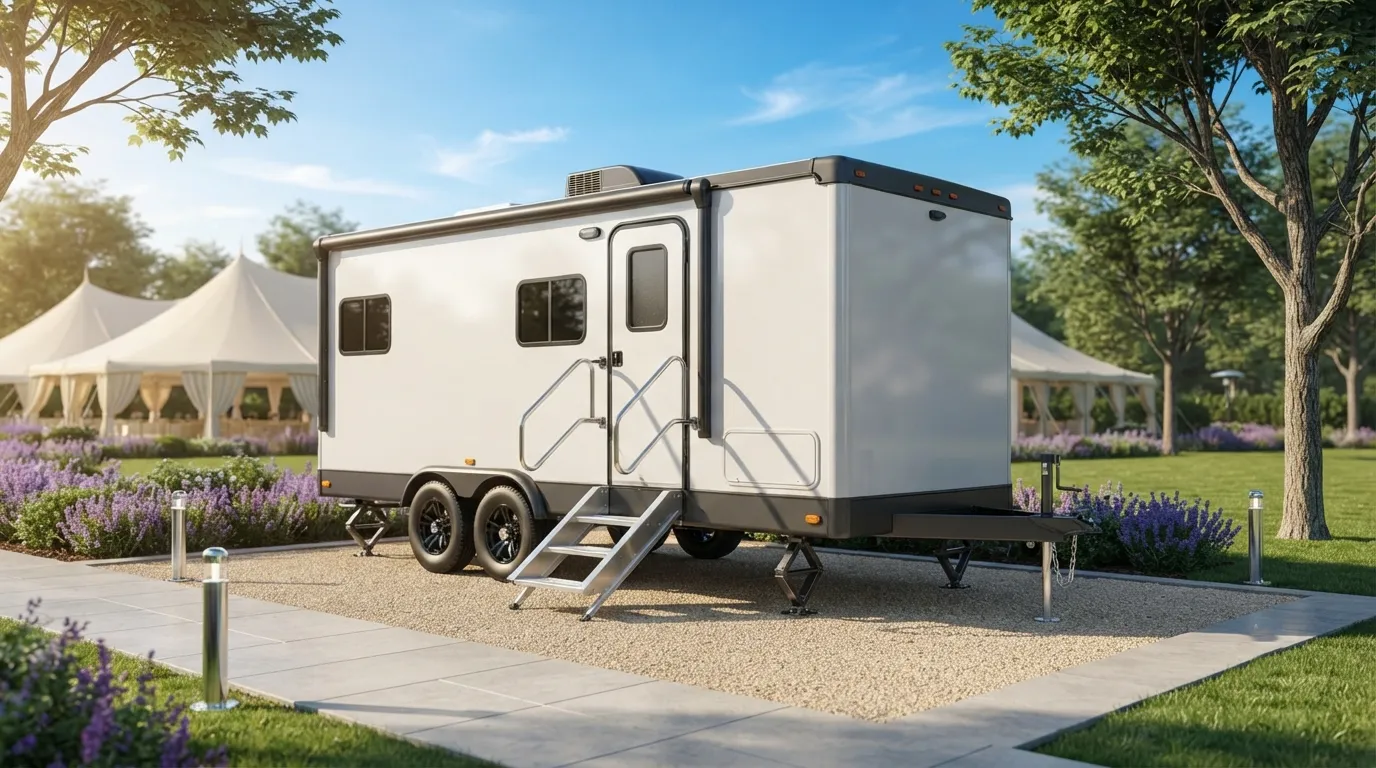
Every cluster of single-user units also needs an accessible option. ADA Standards section 213.2 requires that at least 5 percent of clustered portable toilets be wheelchair accessible, with a minimum of one unit no matter how small the cluster. Our ADA accessible porta potty units meet that standard and include a 60 inch turning circle per ADA Standards section 304.3.1. For larger shelters running for days or weeks, a restroom trailer rental or an 8 stall restroom trailer cuts down on servicing trips and gives evacuees something closer to a normal restroom. Family shelters often do better with a 4 stall restroom trailer instead of a bank of single units.
Why does servicing schedule matter more during a disaster?
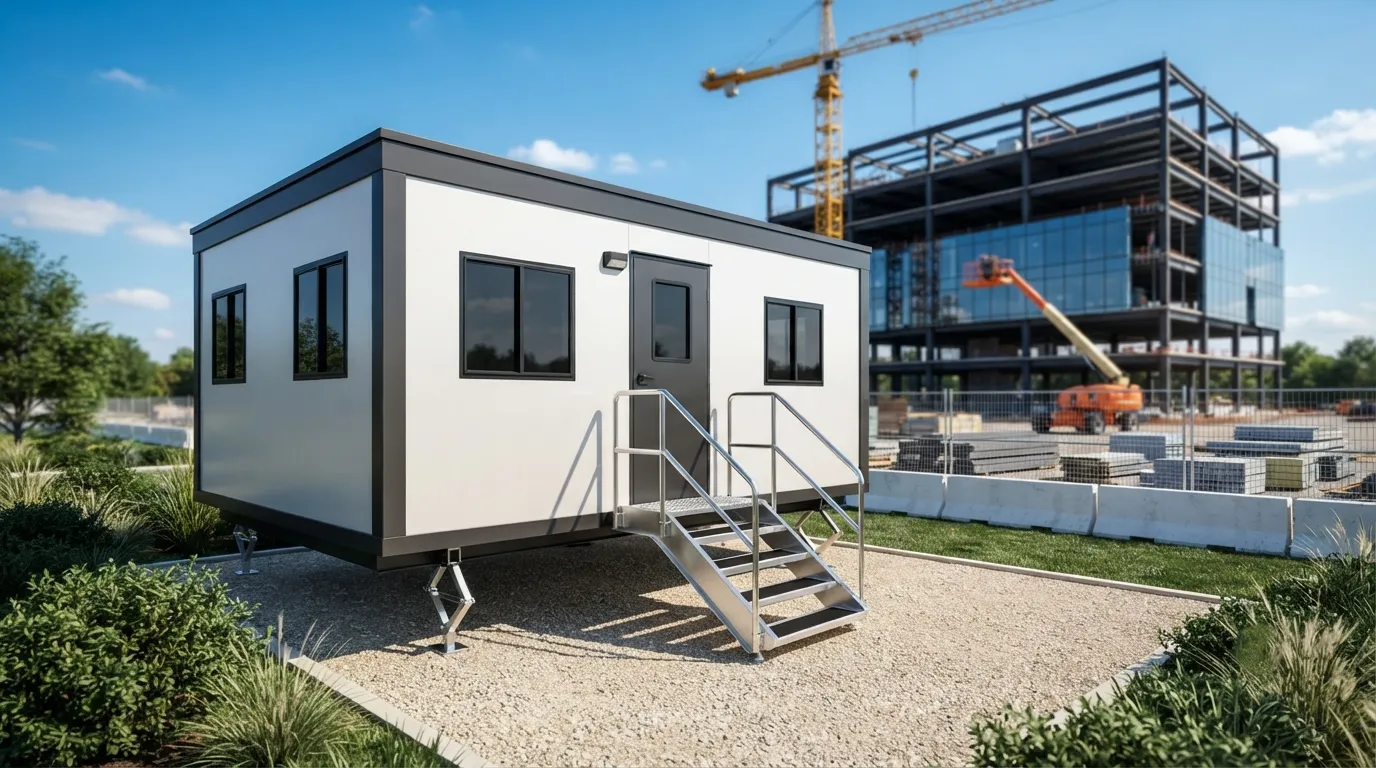
Normal rental cycles assume predictable use. Disaster response does not. ANSI/PSAI Z4.3 sets a baseline of one service visit per week for up to 10 users over a 40 hour week, but a shelter running three shifts of displaced residents blows past that baseline fast, so we adjust the pump-out schedule instead of waiting for a fixed day. Debris cleanup crews working alongside the shelter usually need a roll-off dumpster rental on site too, and a 20 yard dumpster rental handles most storm debris loads without exceeding standard weight limits.
If flooding takes out a home's septic tank system, a household normally pumped every 3 to 5 years may need emergency pumping right away; our emergency septic service and septic pumping service crews handle that alongside the disaster contract. Secure the site with temporary fence rental or crowd control barrier rental so donated supplies and equipment stay put, and stage recovered belongings in a storage container rental rather than leaving them exposed. Clearwater relief coordinators can request a combined quote through request a quote rather than juggling separate vendors mid-crisis.
How many toilets does a shelter of 100 people need?
There is no single fixed shelter ratio in our fact set, but OSHA 1926.51(c) scales from one unit per 20 workers up through larger headcounts, and that is the safest baseline to apply. For a 100 person shelter, plan on several standard units plus one accessible unit under ADA 213.2. See how many porta potties do I need for the full breakdown.
Can you deliver before a hurricane makes landfall?
Yes, and that is the better plan. Pre-staging units before landfall beats waiting for roads to clear afterward. Call ahead of the storm through contact so units are already on site when the rain starts.
Do disaster relief sites need handwashing stations separate from toilets?
Yes. 29 CFR 1910.141(d)(2) requires soap and a towel or drying device at washing facilities, and hand sanitizer does not satisfy that. Pair every restroom cluster with a portable sink rental unit.
What happens if a relief site needs units longer than expected?
Extend the rental. Weekly and monthly rates run lower per day than short-term pricing, and our monthly porta potty rental page shows how the math shifts for extended deployments.
Is a restroom trailer better than standard units for a shelter?
For shelters running more than a few days, yes. A trailer needs less frequent servicing and holds up better under continuous shelter use than single portable units. Check restroom trailer rental cost for how pricing compares across stall counts.
Next step
Get a delivery date
Tell us the address, the dates and the headcount. We size the order and confirm the route.